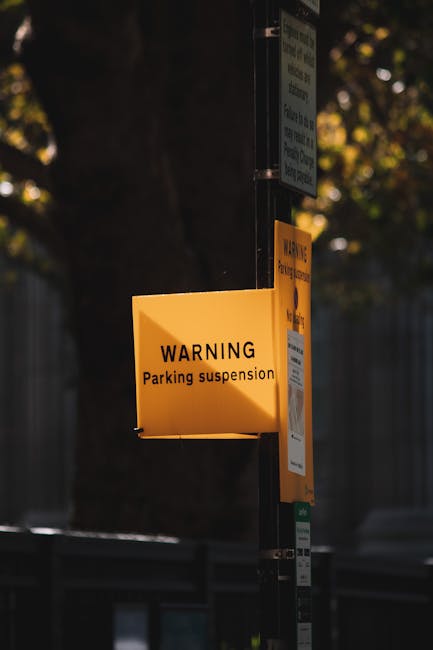
Wales Council Permit Guide for Suspended Parking
If you are planning a move, a delivery, or any job that needs access close to a property, suspended parking can suddenly become the thing that makes or breaks the day. The Wales Council Permit Guide for Suspended Parking below explains what the suspension means, why it matters, how applications usually work, and how to avoid those annoying last-minute problems that can turn a tidy plan into a very long morning.
Truth be told, most people only think about parking restrictions when they are already in the middle of a move, van doors open, boxes stacked, and the street is narrowing by the minute. That is exactly why it helps to understand the process early. This guide walks through the practical side of suspended parking in Wales, with plain-English advice, realistic examples, and a few hard-won lessons that can save time, stress, and needless back-and-forth.
Table of Contents
- Why Wales Council Permit Guide for Suspended Parking Matters
- How Wales Council Permit Guide for Suspended Parking Works
- Key Benefits and Practical Advantages
- Who This Is For and When It Makes Sense
- Step-by-Step Guidance
- Expert Tips for Better Results
- Common Mistakes to Avoid
- Tools, Resources and Recommendations
- Law, Compliance, Standards, or Best Practice
- Options, Methods, or Comparison Table
- Case Study or Real-World Example
- Practical Checklist
- Conclusion
- Frequently Asked Questions
Why Wales Council Permit Guide for Suspended Parking Matters
Suspended parking is usually introduced when a bay, stretch of road, or loading area needs to be temporarily taken out of normal use. In practical terms, that can affect resident parking, pay-and-display spaces, loading bays, or marked areas close to a building. If you are arranging a house move, office relocation, furniture pick-up, or a bulky delivery, that restriction can be a real issue. The vehicle may need to stop close to the entrance, and if the area is already blocked or suspended, you can end up parking further away than expected.
That sounds minor until you are pushing a sofa through a narrow hallway in the rain. Or trying to get a wardrobe down three flights of stairs while the van is stuck half a street away. We have all seen that kind of day go sideways. It is not dramatic, just expensive in time and energy.
In Wales, as elsewhere in the UK, parking controls are local and council-led, which means the exact details vary. The key point is this: if you need a section of road available for a move, you usually need to plan around the council's parking controls rather than hoping for the best. A suspended bay may help you by protecting space for your vehicle, or it may block the exact space you wanted to use. Knowing the difference before the day arrives is half the battle.
For anyone booking a larger vehicle or a timed access job, this topic matters because parking is not just a convenience. It affects safety, loading time, labour costs, building access, and neighbour relations. It can also affect whether a move is completed in one visit or turns into a frustrating second round.
Practical takeaway: if your job depends on close vehicle access, do not treat suspended parking as an afterthought. It is part of the move plan, not a footnote.
How Wales Council Permit Guide for Suspended Parking Works
At a simple level, a suspended parking arrangement means a council has temporarily reserved or restricted a parking space for a particular reason. Sometimes that is for building works, utility access, road safety, removals, or other operational needs. The rules and naming conventions can differ, but the underlying idea is the same: the space is controlled for a limited period.
In a removals context, people often need to understand three separate things:
- whether the street or bay is already under restriction
- whether a permit, suspension, or dispensation is required
- how much notice the council needs before the requested date
A permit is not always the same as a suspension. That is one of the first points where people get tangled up. A permit may allow a vehicle to park in a controlled area under certain terms. A suspension may temporarily remove a space from general use, often with signage placed on site. A dispensation can sometimes allow limited parking where it would otherwise be restricted. The wording changes by council, but the purpose is usually to manage access lawfully and safely.
For a moving day, the usual flow looks something like this:
- You work out what type of vehicle needs to stop where.
- You check whether the address sits on a restricted street, bay, or loading area.
- You confirm whether the council wants an application for parking permission, a suspension request, or another access arrangement.
- You submit the request within the council's required lead time.
- You display or follow any instructions once the arrangement is approved.
- You keep evidence handy in case the area is challenged or misunderstood on the day.
A good removals plan also considers the vehicle size. A compact van may fit where a larger lorry cannot, which is why services like man and van support are often useful for tighter streets. For bigger jobs, a larger vehicle may be unavoidable, so the parking arrangement becomes even more important. If you are comparing vehicle options, it can also help to look at moving truck access and removal truck hire planning well before moving day.
Key Benefits and Practical Advantages
Getting the parking arrangement right is not glamorous. But it does pay off in very real ways.
- Shorter loading times: when the vehicle can stop near the entrance, crews can move items more efficiently.
- Lower risk of damage: fewer long carries means less chance of scraping walls, dropping furniture, or leaving marks in communal areas.
- Better safety: less carrying distance can reduce strain on movers and customers alike.
- Fewer parking fines or complaints: a proper arrangement reduces the chance of being challenged by enforcement or neighbours.
- Cleaner timing on the day: no hunting for a spot while the clock is ticking.
There is another benefit that is easy to overlook: calm. When a van is parked where it should be, the whole job tends to feel more controlled. People can focus on the move itself instead of standing on the pavement, checking the road every few minutes. Small thing, but it matters.
If the move involves a home, a lot of stairwork, or awkward furniture, this becomes even more valuable. A well-planned access setup works hand in hand with services such as home moves, house removalists, and packing and unpacking services, because every minute saved on parking is a minute that can go into the actual move.
Who This Is For and When It Makes Sense
This guide is useful for a fairly wide group of people, not just large removals. If your job needs access close to the property, suspended parking or a related council arrangement may be relevant.
- Home movers: especially if you live on a narrow street, in a terraced row, or in a controlled parking zone.
- Office relocations: where commercial vehicles need timed access and buildings have loading constraints.
- Furniture collection or delivery jobs: large items can turn a normal parking plan into a messy one very quickly.
- Property managers and landlords: coordinating access for contractors or tenants.
- Businesses running commercial moves: where several vehicles or a larger truck may need dedicated road space.
If you are arranging a one-off item collection, a smaller vehicle and simpler parking may be enough. For example, a furniture pick-up may only need a short stop if the street allows loading access. In that case, a service like furniture pick-up may fit the job nicely. For larger or more structured moves, especially where staff need to coordinate access, commercial moves and office relocation services usually need more careful parking planning.
When does it make sense to act early? Basically always, but especially if any of these apply:
- the building has limited front access
- the street is already heavily parked
- you need a larger van or truck
- the move must happen at a specific time
- there is no nearby private drive or loading area
To be fair, many people only discover the issue after the booking is made. That is normal. The trick is to deal with it quickly rather than hoping it sorts itself out. Usually, it does not.
Step-by-Step Guidance
Here is a practical way to approach suspended parking for a move or delivery. Keep it simple, and keep notes. You will thank yourself later.
1. Confirm the exact address and access point
Do not assume the front door is the best loading point. Back entrances, side roads, shared forecourts, and service lanes can change the whole picture. Take a few minutes to look at the property from the street if you can. A short walk often reveals the useful stuff: signs, kerbs, bay markings, and whether there is room for a vehicle to stand safely.
2. Identify the type of parking restriction in place
Look for resident bays, pay-and-display, loading restrictions, yellow lines, or existing suspensions. If the road is regulated, the council may treat access differently from an unrestricted street. This is where people sometimes mix up permit, dispensation, and suspension. The names are not always the same, but the practical effect is what matters: can the vehicle stop there legally and safely?
3. Check council lead times and requirements
Councils typically need notice, and some need more than others. Do not leave this until the day before unless the council's process explicitly allows it. Keep a record of the date you applied, what you requested, and any reference number you receive. Yes, it is admin. Slightly dull admin. But useful.
4. Match the vehicle to the space
This step is often overlooked. A large removal vehicle may not fit where a van can. If your plan relies on a truck, make sure the parking setup reflects that. If not, consider whether a smaller vehicle or multiple loads would be more realistic. Services such as man with van and moving truck support can be chosen based on the access available, not just the volume of items.
5. Confirm the timing
Suspensions and permits are often time-specific. A morning slot may not help if the van arrives in the afternoon. Build a little buffer into the schedule. Traffic, lift delays, and a missing set of keys can all eat into the day faster than you expect.
6. Prepare evidence and instructions
Keep a copy of approval details accessible to the driver or organiser. If the arrangement requires a notice or bay suspension marking, make sure everyone knows what should be visible on site. A well-run move feels very different when the paperwork is on hand.
7. Coordinate with the moving team
Tell the movers exactly where the vehicle can stop, what time access starts, and whether there are any building rules. If you are using a team for a full property move, it helps to align the parking plan with the rest of the booking through pricing and quotes and service planning, rather than leaving it as a surprise on the day.
Expert Tips for Better Results
These are the small details that often make a big difference. Nothing fancy. Just the kind of stuff that stops the day getting messy.
- Apply earlier than you think you need to. Councils can be busy, and popular moving dates are often busy too.
- Measure the frontage mentally. If a vehicle needs to be nose-in or side-on, picture where doors, ramps, and tail lifts will sit.
- Build in a weather buffer. Wet stairs and slippery pavements slow everything down. A damp Tuesday morning feels very different from a dry summer afternoon.
- Have a fallback plan. If the bay is unavailable or the request is delayed, know where the vehicle can legally stop instead.
- Tell neighbours where possible. Not always required, but a small courtesy note can reduce awkward conversations.
In our experience, the smoothest jobs are usually the ones where someone had the patience to think through the boring bits. Not exciting, I know. But that is often the difference between a calm move and a scramble.
If access is tight, it may also be worth checking whether the team should bring additional packing support or a smaller vehicle option. The right solution is not always the largest truck. Sometimes it is the one that actually fits the street. There, that is the whole secret really.
Common Mistakes to Avoid
People make the same mistakes with parking permissions again and again. Most are easy to avoid once you know what to watch for.
- Leaving it too late: this is the most common one, and the most annoying.
- Assuming one council process fits all: each local authority can handle applications differently.
- Booking the wrong vehicle size: a good quote should match the access, not just the item list.
- Forgetting to check street signs: the sign on the pavement matters more than the assumption in your head.
- Not telling the moving team: if the driver does not know about the restriction, the plan weakens fast.
- Ignoring neighbours and building rules: even if the council approval is fine, communal expectations still matter.
A subtle mistake is assuming that a suspended bay automatically solves everything. Sometimes it does. Sometimes it merely protects a space that is awkwardly placed, or not quite long enough for the vehicle you planned. That is why the site layout matters just as much as the permit itself.
Tools, Resources and Recommendations
You do not need a complicated system to handle this well, but a few simple tools make life easier.
- Phone notes or a checklist: keep application dates, reference numbers, and timings in one place.
- Photos of the street: take pictures of signs, bays, and frontage before the move.
- Floor plan or access notes: especially useful for office relocations and larger home moves.
- Vehicle dimensions: know the length and height of the van or truck before deciding where it can stop.
- Building contact details: handy if you need to coordinate lift access or loading bay rules.
It also helps to choose a service partner that understands the practical side of access planning. If you are comparing support levels, pages like about us, health and safety policy, insurance and safety, and terms and conditions can give you a clearer sense of how a provider handles responsibility and expectations. That matters more than people think.
For items that need careful handling, or where recycling and disposal are part of the job, you may also want to check recycling and sustainability. It is a small detail, but it helps when a move turns into a broader declutter or clearance.
Law, Compliance, Standards, or Best Practice
Because parking controls and suspensions are managed locally, the exact legal process depends on the council area and the road in question. It is wise to treat all parking permissions as formal arrangements rather than informal favours. If a vehicle stops where it should not, the risk can include enforcement action, delays, disputes with residents, or safety problems around pedestrians and traffic.
A few broad best-practice principles apply almost everywhere:
- Follow the conditions exactly: if a permit or suspension applies at certain times, stay within those times.
- Keep evidence available: digital confirmation, printed notes, or the reference number can help if there is a challenge.
- Use the right vehicle for the job: over-sizing creates avoidable risk.
- Respect building and street rules: council permission does not replace private-site requirements.
- Prioritise safe loading: the closest space is not always the safest space.
For customers, the practical message is simple: work with the rules, not against them. It is far easier to plan around access than to argue with a traffic warden while somebody is waiting with a trolley. Not a fun scene, that one.
Options, Methods, or Comparison Table
Here is a straightforward comparison of the main approaches people use when managing parking for a move or delivery.
| Option | Best for | Strengths | Limitations |
|---|---|---|---|
| Parking permit | Controlled streets where permission is needed to stop or park | Useful for planned access and longer stops | May not reserve a specific bay |
| Suspended parking | Jobs that need a space kept free or controlled for a set period | Can secure access near the property | Usually time-bound and process-led |
| Dispensation | Short-term loading or operational access in restricted areas | Can be flexible for brief jobs | Often narrower in scope |
| Private parking or driveway | Homes or sites with off-street access | Most convenient if available | Not an option for many city or terrace properties |
There is no single best option for everyone. A small flat move in a busy street may need a different solution from a commercial relocation. If the job is sensitive to timing and access, a bigger planning conversation is worth it. If it is just a short pickup, the simplest lawful option is often the best one.
Case Study or Real-World Example
Here is a realistic example. A family is moving out of a terraced house on a narrow street in South Wales on a Friday morning. They have a mix of boxes, two beds, a sofa, and a heavy chest of drawers that nobody particularly enjoys carrying. The road already has parked cars on both sides, and the front of the property sits right on the pavement line.
At first, they assume the vehicle can "just stop outside for a bit." But once they check the street layout, it becomes clear that without an agreed parking arrangement, the van would be stuck two doors down. That would add extra carrying distance, slow the job, and make the large furniture much harder to move safely.
So they plan ahead. They confirm the access point, choose a vehicle that suits the street, and arrange the parking side of the move in line with the council requirements. The result is fairly ordinary, which is exactly what you want. The van stops close enough to make loading efficient, the team keeps moving, and the house is emptied without everyone looking frazzled by 10:30 a.m.
That kind of outcome is not luck. It usually comes from a bit of planning and a willingness to sort out the parking question early. Simple, but not always easy.
Practical Checklist
Use this checklist before the moving day or delivery slot.
- Confirm the full address and the best loading point.
- Check whether the street or bay is restricted.
- Identify whether you need a permit, suspension, or dispensation.
- Allow enough lead time for council processing.
- Match vehicle size to the actual space available.
- Tell the moving team about the parking plan.
- Keep approval details, reference numbers, and timing notes ready.
- Take photos of signs and road markings if useful.
- Prepare a fallback plan if the preferred space is unavailable.
- Review any site-specific rules from the building, landlord, or managing agent.
If you can tick off those steps, you are in a much better position than most people starting out. And honestly, that is a relief in itself.
Get a free quote today and see how much you can save.
Conclusion
A suspended parking arrangement may sound like a small detail, but in real life it often decides whether a move runs smoothly or turns into a slow, awkward shuffle. The Wales Council Permit Guide for Suspended Parking is really about preparation: understanding the local restriction, choosing the right access method, and making sure the vehicle can stop where it needs to without causing a problem.
If you remember one thing, make it this: parking is part of the moving plan, not an extra. Plan it early, confirm the details properly, and give yourself a little breathing room. That one habit saves a surprising amount of stress.
And when the van is finally parked neatly, the boxes are moving, and the kettle is somewhere within reach, the whole day feels a lot lighter. That is the goal, after all.
Frequently Asked Questions
What is suspended parking in a council area?
Suspended parking is when a council temporarily removes a parking space, bay, or section of road from normal use for a set period. It is often used for access, safety, works, or operational reasons.
Do I need a permit for a moving van in Wales?
Not always. It depends on the street, the parking restrictions in place, and the exact access needed. Some jobs require a permit, others a suspension, and some may only need a short-term loading arrangement.
How far in advance should I apply?
As early as possible. Councils usually need notice, and the lead time can vary. If your move date is fixed, do not leave it to the last minute. That tends to cause avoidable stress.
Is a suspension the same as a permit?
No, they are different. A permit usually allows parking under certain conditions, while a suspension typically reserves or removes a space from normal use for a limited time. The council wording matters, so check the exact arrangement carefully.
What happens if I park without the correct approval?
You may face enforcement action, delays, or complaints from nearby residents or businesses. It can also make loading unsafe or impossible, which is the sort of headache nobody wants on moving day.
Can a small van use the same parking arrangement as a large truck?
Not necessarily. Vehicle size matters. A small van may fit where a larger truck cannot, and the parking plan should reflect that. It is worth matching the vehicle to the access rather than assuming one setup suits all.
What if the council does not approve the request in time?
Have a fallback plan. You may need to use a different vehicle, adjust the loading point, change the timing, or reorganise the move. It is better to build in a backup than to improvise under pressure.
Do office moves need different parking planning from home moves?
Often, yes. Office relocations can involve larger items, timed building access, loading bays, and stricter site rules. A residential move may be simpler in some ways, but not always. Each one has its own little complications.
Should I tell my removals team about parking restrictions?
Absolutely. The team needs to know where they can stop, what time the access starts, and whether there are any building or council conditions. Clear information saves a lot of awkward guessing later.
What documents should I keep on the day?
Keep any approval confirmation, reference number, timing details, and contact information close to hand. If there is a physical notice or sign required, make sure it is displayed or available as instructed.
Is suspended parking useful for furniture collections too?
Yes, especially when the item is bulky or the street is tight. A straightforward furniture collection can become a lot easier if the vehicle can stop near the entrance rather than several doors away.
Where can I get more help with a move in Wales?
If you need support with access planning, vehicle choice, or the wider moving process, it helps to speak with a removals provider that understands practical street conditions, loading issues, and timing pressures. A good plan keeps the day calm, which is worth a lot.