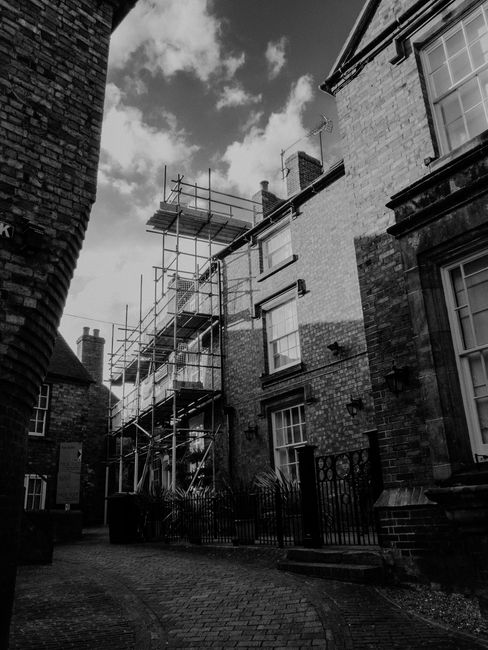
Case Study: Moving a 3-Bed Victorian in Pontcanna
Moving a three-bedroom Victorian home is rarely a simple lift-and-go job. In Pontcanna, where elegant terraces, tight streets, permit rules, and older property layouts can all come into play, the process needs a bit more thought than a standard house move. This Case Study: Moving a 3-Bed Victorian in Pontcanna looks at the practical side of getting a family home moved with less stress, fewer surprises, and a much smoother finish.
If you are trying to judge how a move like this works in real life, you are in the right place. We will walk through what makes Pontcanna moves different, how a well-planned removal is usually handled, what to watch out for, and where a bit of local know-how can save time and hassle. Truth be told, it is often the small details that make the biggest difference.
Whether you are planning a full household move, comparing service levels, or simply trying to work out how to get a sofa past a narrow hallway without anyone losing patience, this guide should help.
One quick note: every home is different, but the principles here are broadly useful for period properties across Cardiff, especially older Victorian houses with awkward access and plenty of character. And yes, character usually means stairs, corners, and one stubborn doorway somewhere.
Why Case Study: Moving a 3-Bed Victorian in Pontcanna Matters
Pontcanna is one of those Cardiff neighbourhoods where the homes look beautiful from the street and then quietly challenge you the moment a wardrobe needs to leave the building. Victorian houses often bring generous room sizes, high ceilings, and original features, but they also tend to include tighter staircases, uneven floors, limited off-street loading space, and door frames that have seen a few decades of use. All of that matters when you are planning a move.
This topic matters because a three-bedroom Victorian property is usually more than a straightforward "man and van" load. There may be family furniture, fragile mirrors, a dining table that has sentimental value, and boxes that somehow multiplied overnight. A move like this is not just about transport. It is about sequencing, access, protection, communication, and timing. Miss one of those and the day can get messy quickly.
It also matters because local conditions shape the move. Pontcanna streets can be busy, parking can be tight, and a vehicle positioned badly can cause delays for everyone. That is where preparation and local awareness come in. In our experience, the best removals are the ones that look almost boring on the day. Everything arrives, nothing gets scratched, and nobody has to improvise with a blanket and a prayer.
Expert summary: A Victorian house move in Pontcanna is usually won or lost before moving day. The more attention you give to access, packing, parking, and item protection, the smoother the actual move tends to be.
There is also a wider value here. A well-run move protects your belongings, reduces downtime, and lowers the odds of avoidable damage. That matters whether you are upsizing, relocating locally, or simply moving from one period home to another. Let's face it, people do not usually remember the moving day fondly unless it goes well.
How Case Study: Moving a 3-Bed Victorian in Pontcanna Works
A move like this typically follows a fairly clear process, though the order and level of detail can vary depending on the property and the removal provider. The key is not speed for speed's sake. It is controlled progress.
1. Survey the property and access
The first step is checking what the move actually involves. That means looking at the number of rooms, the size of larger furniture, stairs, hallway width, parking access, and whether any items need dismantling before they will fit through the route. A good survey also considers whether the front door opens fully, whether there are tight turns on the landing, and whether the truck can park close enough to make loading efficient.
Victorian homes can look spacious, but that does not always translate into easy movement. A wide sofa in a bay-fronted living room can still become a puzzle at the top of a narrow staircase. Small detail, big effect.
2. Decide what service level is needed
Some households want a full service, including packing, furniture protection, loading, transport, and unloading. Others just need a van and a few strong hands. The right choice depends on budget, time, physical ability, and how much risk you want to take on yourself. If you are moving valuable furniture or are short on time, a fuller service usually pays back in reduced stress.
For many people, the middle ground works best: pack the non-breakables in advance, then use a professional team for the heavy lifting and transport. That keeps costs sensible while still giving the move some structure.
3. Prepare the home before move day
This is where the good moves are made. Boxes should be packed and labelled, furniture should be emptied, and fragile items should be separated clearly. Doorways may need protection, and awkward items should be disassembled where practical. The rule is simple: if something is bulky, heavy, or fragile, do not leave it to chance at the last minute.
There is always that one drawer people forget. Usually in the bedroom. Usually full of cables, batteries, and a mystery key that nobody can identify.
4. Coordinate parking and timing
In a place like Pontcanna, the van position matters. A short carry from property to vehicle can save a lot of time and reduce risk. If parking restrictions or narrow streets are in play, this should be thought through well before the move begins. A delayed vehicle means delayed loading, and delayed loading has a habit of spreading through the whole day.
5. Load strategically
Heavy items such as wardrobes, beds, bookcases, and appliances are usually loaded first, then boxed items and softer goods are used to fill gaps safely. Fragile items are wrapped and separated. The goal is not just to fit everything into the truck; it is to make sure everything arrives in one piece. That sounds obvious, but on moving day, obvious things can get overlooked fast.
6. Unload room by room
On arrival, boxes and furniture should be placed in the correct rooms where possible. This saves the homeowner from dragging everything around later. For a Victorian property, it is also useful to check that furniture can be turned, positioned, and assembled without scratching floors or walls. Some teams also help with basic reassembly, though that should be agreed in advance.
Key Benefits and Practical Advantages
There are several clear advantages to handling a move like this properly. The most obvious is damage reduction. Period homes often include polished floors, ornate stair rails, and painted woodwork that mark easily. A careful approach protects the house as well as the furniture.
Another benefit is time control. A structured move tends to finish sooner because fewer decisions are being made under pressure. Packing is clearer. Loading is clearer. The whole day feels less like a scramble.
You also get better use of labour. If the route is mapped properly and the right van size is chosen, the team spends more time moving items and less time fiddling around with awkward access. That is good for efficiency and, frankly, your patience too.
Some of the practical benefits include:
- less risk of scratches, dents, and broken items
- faster loading and unloading
- better protection for Victorian features and finishes
- clearer communication on the day
- lower chance of parking-related delays
- less physical strain on you and your household
There is also a confidence factor. When you know the move has been thought through properly, the whole thing feels less chaotic. That matters more than people admit. Moving house is tiring enough without having to improvise the entire plan at 7:30 in the morning.
Who This Is For and When It Makes Sense
This kind of move is especially relevant for homeowners and tenants moving out of a three-bedroom Victorian property, but it is also useful for landlords, downsizers, and families moving within Cardiff. If your home contains a mix of bulky furniture, sentimental pieces, and everyday household belongings, this approach makes sense.
It is a strong fit if:
- your property has stairs, narrow hallways, or a tight landing
- you own larger furniture that needs careful handling
- you want a move to be finished in a single day, or as close as possible
- you need help packing fragile items safely
- you are moving in or out of Pontcanna and access is likely to be tricky
- you would rather avoid heavy lifting altogether
It may be less necessary if you are moving a very small amount of furniture, have easy access, and only need a light transport service. But even then, the old Victorian layout can surprise you. What looks like a simple job on paper can become a bit of a puzzle at the front door.
For families, the value often lies in reducing stress around children, pets, and school timings. For older homeowners, the benefit may be more about safety and avoiding strain. For busy professionals, it is usually about keeping the move efficient and not losing an entire weekend to it.
Step-by-Step Guidance
If you want a smoother move, think in stages. The sequence matters.
- Book early and confirm the details. Check your moving date, addresses, access notes, and whether anything unusually heavy or awkward needs special handling.
- Measure key furniture. Measure sofas, beds, wardrobes, mirrors, and any item that might need dismantling. Door widths and stair turns matter more than people expect.
- Declutter before packing. Don't pay to move broken lamps, duplicate chairs, or boxes of odds and ends you no longer need. This is the easiest way to trim load size.
- Pack by room and label clearly. Keep kitchen, bedroom, and essentials boxes separate. Mark fragile items plainly. A label like "Bedroom 2 - Lamp and Glass" saves time later.
- Set aside a first-night box. Include toiletries, chargers, kettle bits, a change of clothes, basic cleaning supplies, and snacks. You will thank yourself later.
- Protect floors and furniture. Use covers, blankets, and wrapping materials where needed, particularly for polished wood, glass, and upholstered items.
- Plan the parking position. If the van cannot park close enough, even a well-packed house move becomes slower and more tiring.
- Keep clear communication on the day. Let the team know which items are fragile, which pieces come apart, and which room has the most sensitive furniture.
- Walk through both properties. Before leaving and after arriving, check for any overlooked items, damage concerns, or furniture placement issues.
- Unpack the essentials first. Get the kettle, bedding, and daily-use items sorted before tackling the decorative stuff. House moves are less dramatic when tea is available.
One small but useful habit: keep screws, allen keys, and fixings in a labelled bag taped to the furniture they belong to. Simple. Slightly boring. Brilliantly effective.
Expert Tips for Better Results
A few practical habits can make a big difference in a Victorian house move. These are the sorts of things experienced removals teams notice right away.
Measure the awkward bits, not just the big bits
People remember to measure the wardrobe. Fewer remember the hallway corner, stair landing, or banister clearance. In older homes, it is often the turning point, not the door itself, that creates a problem.
Separate fragile items from general boxes
Mixing plates, books, toiletries, and random ornaments in the same box is a recipe for damage and confusion. Keep fragile items clearly grouped. It is boringly sensible, which is exactly why it works.
Move from least used to most used rooms
Pack the spare room first, then the living room, then the everyday stuff. That keeps your essential spaces functional for longer. On moving eve, being able to still sit down, charge a phone, and make tea is a small victory, but a real one.
Keep a running list of special items
If you have a piano, antique dresser, oversized mirror, or unusually heavy sideboard, note it early. Specialist items often need more planning than standard furniture. The sooner they are flagged, the better.
Think about weather and timing
Rainy Cardiff weather can make steps and paths slippery. A morning move can be calmer, but traffic patterns and parking realities may influence the best slot. Sometimes the plan you wanted is not the plan that works best. That is normal.
Small expert insight: The best moves feel uneventful because the decisions were made beforehand. If the day feels too exciting, something was probably missed.
Common Mistakes to Avoid
Most moving problems come from the same few mistakes. Happily, they are avoidable.
- Leaving packing too late. Last-minute packing leads to poor labelling, breakages, and stress.
- Underestimating access issues. Narrow stairs, sharp corners, and restricted parking need proper planning.
- Not measuring large furniture. A sofa that is "probably fine" has a funny way of not being fine.
- Forgetting to empty drawers. This adds weight and increases the risk of damage.
- Ignoring protection for floors and doorframes. Victorian features can be easily marked.
- Mixing essentials into random boxes. Then you spend the first night hunting for phone chargers and toothpaste.
- Choosing a van size blindly. Too small means extra trips; too large may be inefficient or harder to position.
- Not telling the movers about fragile or awkward items. Communication is part of the service, not an optional extra.
A common one, and it happens more than you'd think: people assume the old house is easy because they have lived there for years. Familiarity hides problems. You know exactly how to sidestep the wobbly floorboard, but the removals team does not.
Tools, Resources and Recommendations
You do not need a huge toolkit for a successful move, but a few practical items make life easier.
- Strong boxes: use good-quality boxes that can handle weight without collapsing.
- Packing tape and labels: simple, but essential for order and clarity.
- Bubble wrap or wrapping paper: helpful for glass, ceramics, and framed pieces.
- Furniture blankets and covers: useful for protecting upholstery and polished surfaces.
- Basic tools: screwdrivers, allen keys, and a small toolkit for disassembly.
- Protective gloves: good for handling rough edges, heavy boxes, or awkward furniture.
- Room-by-room packing list: keeps things organised and makes unpacking faster.
If you need a more structured start, useful supporting reading can help with planning and packing. For example, a practical home-moving guide such as home moves support can give you a clearer sense of the full process, while packing and unpacking services may be useful if time is tight or you want help with the fiddly part.
For households comparing transport options, it can also help to look at man with van services or a larger moving truck depending on how much you need to move and how much access space you have.
If you are still planning the budget, it is sensible to review pricing and quotes carefully. The cheapest quote is not always the best value if it excludes packing, waiting time, or the handling you actually need. Hidden surprises are nobody's favourite part of moving day.
Law, Compliance, Standards, or Best Practice
For a residential move in the UK, the main compliance concerns are usually practical rather than highly technical, but they still matter. Parking permissions, safe lifting practices, item protection, and insurance arrangements are the big four. If a removals vehicle needs to use a restricted street space or pause in a sensitive loading area, it is sensible to confirm the relevant local requirements in advance. The exact rules depend on the location and the council arrangements in place.
From a best-practice perspective, a professional removals service should be clear about what is included, how items are handled, and what happens if access is more difficult than expected. A written quote helps avoid misunderstanding. So does a good pre-move survey. No one enjoys the "I thought that was included" conversation on moving day.
Insurance is another area worth checking carefully. You want to know how belongings are covered, what exclusions apply, and whether particularly valuable or fragile items need to be declared in advance. If a move involves antique furniture or high-value pieces, that deserves extra attention. A bit of caution here is sensible, not overkill.
Health and safety also matter. Lifting heavy items, carrying furniture on stairs, and moving through narrow Victorian entrances can create obvious risks. Good practice includes correct lifting technique, appropriate team numbers, and sensible use of equipment. If you want a sense of the standards a reputable operator should follow, the company's own health and safety policy and insurance and safety information are the right places to start.
If you are comparing providers, it is also worth understanding how a quote is built and what security measures apply to payments. Helpful background on those topics can be found in the company's payment and security information and related service pages. It is not glamorous reading, admittedly, but it does prevent headaches later.
Options, Methods, or Comparison Table
There is more than one way to handle a move like this. The right method depends on how much you need to move, how much time you have, and how hands-on you want to be.
| Method | Best For | Pros | Trade-Offs |
|---|---|---|---|
| Full-service house removal | Busy households, larger furniture, limited time | Less stress, better handling, more structure | Usually costs more than a basic transport-only option |
| Man and van | Smaller loads, shorter local moves, flexible budgets | Flexible, often quicker to arrange, suitable for mixed loads | May require more packing work from you |
| Truck hire or dedicated transport | Large house loads, multiple bulky items | Good capacity, efficient for full homes | Needs careful planning and access coordination |
| Hybrid approach | People who want some help but not full packing support | Balanced cost and convenience | Requires clear planning on who handles what |
For many Pontcanna Victorian moves, the hybrid approach ends up being the sweet spot. You handle the packing of lighter everyday items, while the removal team manages the bulk, the awkward furniture, and the transport. That is often the most practical compromise. Not fancy, just effective.
If you are weighing up whether to use a lighter service or a larger removal setup, the decision usually comes down to access and volume. A compact move with only a few large pieces may suit a simpler option, while a full three-bedroom household often benefits from a more organised removal plan. And yes, a narrow terrace can make all the difference.
Case Study or Real-World Example
Here is a realistic example of how a 3-bed Victorian move in Pontcanna might be handled.
A family is moving from a traditional terraced house with three bedrooms, one front reception room, a dining room, and an attic storage space. The house contains a mix of standard furniture and a few awkward items: a large sofa, two beds, a heavy dining table, a mirror, boxed kitchenware, children's toys, and a wardrobe that cannot be moved in one piece.
Before moving day, the family sorts through unused items, donates what they can, and labels boxes by room. They also clear the hallway and make sure the front access is as open as possible. The movers are told in advance about the wardrobe, the mirror, and the narrow stair bend upstairs. That sounds simple enough, but it saves a surprising amount of time.
On the day, the team protects the floors and railings, dismantles the wardrobe, and loads heavier pieces first. Fragile boxes are kept separate and stacked carefully. Because parking was planned ahead of time, the truck does not have to shuffle around the street looking for space, which keeps the move moving. By late afternoon, the essentials are in place and the family can start settling in.
What made the difference? Not luck. Preparation.
The family did not need to over-engineer the whole thing. They just needed the right sequence, clear communication, and realistic expectations. A Victorian home will always ask a little more of you than a flat or a modern box build, but that does not mean the move has to be difficult. It simply needs respect, really.
Practical Checklist
Use this checklist to keep the move on track:
- confirm the moving date and access details
- measure the largest furniture pieces
- check stair width, hallways, and doorway clearances
- arrange parking or loading space in advance
- declutter before packing begins
- label all boxes by room and fragility
- pack a first-night essentials box
- protect floors, corners, and furniture finishes
- separate screws, fixings, and tools into labelled bags
- tell the movers about anything fragile, heavy, or unusual
- keep valuables and documents with you personally
- inspect both properties before and after loading
- plan where key furniture will go in the new home
- leave time for reassembly and tidy-up
Quick reminder: if a task feels too small to matter, it is often exactly the thing that saves you time later. Moving is funny like that.
Conclusion
A Case Study: Moving a 3-Bed Victorian in Pontcanna is really a lesson in good planning, local awareness, and measured execution. The property type brings charm, but also access challenges, delicate features, and a few moving-day puzzles. If you prepare well, choose the right service level, and keep communication clear, the move becomes far more manageable.
The biggest takeaway is simple: older homes reward organisation. Measure what matters, protect what matters, and do not leave the awkward bits until the last minute. That approach saves time, protects your furniture, and makes the day feel calmer than it otherwise would. And calmer is good. Very good.
If you are planning your own move, now is the sensible time to compare your options, check the details, and line up the right support before the pressure builds.
Get a free quote today and see how much you can save.
Frequently Asked Questions
How difficult is it to move a 3-bedroom Victorian house in Pontcanna?
It is usually more complex than moving a modern property because Victorian houses often have narrower stairs, tighter corners, and more delicate finishes. With proper planning, though, it is very manageable.
What makes Pontcanna a tricky area for removals?
Typical challenges include parking, street access, and the older layout of terraced homes. If the van cannot get close to the property, loading takes longer and requires more care.
Do I need a full removal service for a three-bed Victorian move?
Not always. If you are happy to pack most items yourself, a smaller service or hybrid approach may be enough. If you have larger furniture or limited time, a fuller service can be worth it.
Should I dismantle furniture before moving day?
Where practical, yes. Beds, wardrobes, and some tables move more safely when dismantled. Just keep screws and fixings together in clearly labelled bags.
How far in advance should I book a removals company?
As early as you can, especially if your move is during a busy period. Booking ahead gives you more choice and more time to plan the awkward bits properly.
What is the best way to protect Victorian floors and staircases?
Use floor protection, furniture blankets, and careful handling routes. This is especially important if the property has polished wood or original features that could scratch easily.
Can a man and van service handle a full house move?
Sometimes, yes, but it depends on load size, access, and how much furniture you have. For a full three-bed home, you may need a larger vehicle or a more complete removal setup.
How do I avoid damage to fragile items?
Pack them separately, label them clearly, and use proper wrapping materials. Keep them apart from heavy boxes so they are not crushed in transit.
What should I put in my essentials box?
Include toiletries, chargers, kettle supplies, medication, a change of clothes, snacks, basic cleaning items, and bedding. You will be tired later, so make the first night easy.
Are moving quotes usually fixed prices?
Not always. Some quotes are fixed, while others depend on access, timing, and the final volume moved. It is sensible to check exactly what is included before you agree to anything.
What if my street has parking restrictions?
Then parking needs to be planned properly in advance. In some cases, you may need to arrange loading space or timing to avoid delays. This is one of those details that sounds minor until it is not.
Is packing service worth it for a Victorian house move?
Often, yes, especially if you are short on time or have a lot of fragile items. Packing services can reduce stress and help protect your belongings, which is no small thing on a full moving day.
Moving a home like this is a big job, no question. But with the right preparation, it can be a steady, controlled process rather than a frantic one. That is the aim, after all - to get you into your next chapter with your sanity mostly intact.