Cardiff Castle Wales removals access and event day planning
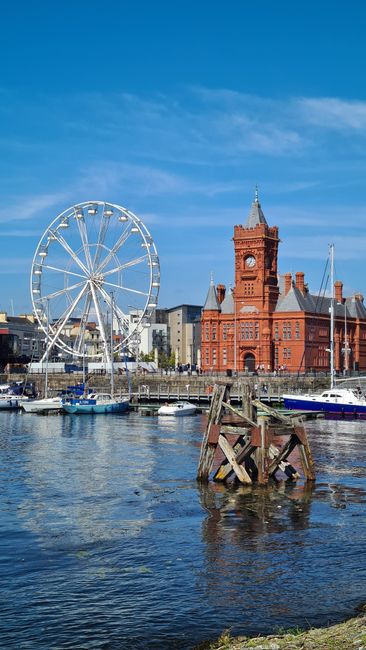
Trying to arrange a removal or delivery near Cardiff Castle can feel a bit like solving a moving puzzle while people are setting up for a concert in the next street. Roads tighten, pedestrians increase, event barriers appear, and suddenly a job that looked straightforward needs proper planning. That is exactly why Cardiff Castle Wales removals access and event day planning matters: it helps you keep your move safe, legal, efficient, and far less stressful than it might first seem.
Whether you are moving into nearby accommodation, delivering furniture, relocating an office, or arranging a one-off access-sensitive drop-off, the key is simple: plan around the castle's location, the city-centre traffic pattern, and any event-day restrictions before the van is packed. In this guide, we will walk through the practical side of access, timing, vehicle choice, and the little details that make the difference between a smooth arrival and a last-minute scramble.
For readers comparing service options, it can also help to look at man and van support, home moving services, or commercial moves depending on the scale of the job. If the work involves boxes, fragile items, or awkward access, packing and unpacking services can save a surprising amount of time and backache. Truth be told, a good plan beats brute force every time.
Why Cardiff Castle Wales removals access and event day planning Matters
Cardiff Castle sits in a busy, central part of the city, so access is rarely a matter of simply turning up and unloading. Nearby roads can be affected by event traffic, hospitality activity, security measures, temporary closures, and heavy footfall. That combination changes the whole removal picture. A vehicle that would be fine on a normal weekday might become awkward, slow, or impossible to position at the wrong hour.
The biggest issue is not just distance. It is timing. You may only have a narrow loading window, a restricted stop, or an approach route that becomes unreliable once visitors start arriving. If you are moving a sofa, office equipment, exhibition stock, or even a handful of rooms' worth of furniture, those constraints can ripple through the entire day. You will notice the impact most at the edges: parking, trolley movement, carrying distance, and how long the team spends waiting instead of working.
Event days add another layer. A castle event can change pedestrian flows and create temporary queuing, sound checks, security cordons, and just generally more "stuff happening everywhere." That is fine for visitors. Less ideal for removals. A bit of planning now saves a lot of shuffling later, and no one wants to be standing by a van at 7:45 in the morning wondering whether a gate is open.
This is also where the right service choice matters. A small, flexible vehicle may be better than a larger lorry in tight central access conditions, while a larger commercial move may need a fully staged route and a longer time slot. If you need a larger vehicle, it may be worth reviewing moving truck options or removal truck hire before you commit.
How Cardiff Castle Wales removals access and event day planning Works
At its simplest, this process means matching your move to the realities of the location. That starts with identifying the exact access point, the vehicle size, the likely parking position, and any event-day limits that could affect entry or unloading. Then you build the schedule around those constraints instead of trying to force the job into a standard template.
A sensible planning process usually looks like this:
- Confirm the destination and the route. Check where the vehicle can actually approach from, not just where the postcode sits on a map.
- Decide the vehicle type. A smaller van may be easier near tight city-centre access, while bigger loads may need a larger truck and more time.
- Identify the time window. Early morning often gives better breathing room, but event schedules can change that. Sometimes midday is a bad idea. Sometimes it is the only workable slot.
- Plan the carry distance. If the van cannot park close to the entrance, the manual carrying distance becomes a major factor.
- Prepare the load properly. Pack by room or priority, protect fragile items, and keep the essentials reachable.
- Keep communication open. If event stewards, building managers, or on-site contacts are involved, everyone needs the same plan. No drama, just clarity.
In practice, the job becomes much easier when you break it down into access, timing, and handling. Those three things matter more than people expect. The furniture itself is often the least difficult part.
If you are coordinating a commercial or office move near the castle, the same principle applies, only with more moving parts. For larger operations, it can help to look at office relocation services or broader commercial move planning so the work is staged properly. If you are comparing service styles, man with van support may suit lighter loads and short-notice access work, while a more structured service may suit a full relocation.
Key Benefits and Practical Advantages
The main benefit of planning properly is obvious: fewer surprises. But there are several more practical advantages that people sometimes miss until they are already half way through the job.
- Less waiting time. If the route and parking are sorted, your team spends more time moving and less time circling the block.
- Reduced handling risk. Shorter carry distances and better entry timing mean fewer bumps, scrapes, and dropped corners.
- Better vehicle choice. You can choose the right size van or truck instead of guessing. That matters in a central location.
- Lower stress on the day. A plan removes the "where do we stop?" panic that can derail a calm morning in seconds.
- Cleaner coordination. When event staff, building managers, or household contacts know the timeline, the day feels much more manageable.
There is also a subtle benefit: confidence. Once you know the access plan is sound, the whole move feels lighter. You stop overthinking every junction or side street. That sounds small, but it really changes the day.
For some jobs, this is also about value. A well-planned move can reduce the need for repeat trips, unnecessary waiting, or last-minute vehicle changes. If you want to understand the cost side before booking, it makes sense to review pricing and quotes and pair it with the right service level from the start.
Who This Is For and When It Makes Sense
This kind of planning is useful for anyone whose move or delivery is near Cardiff Castle or within a tightly controlled central Cardiff route. That includes private households, landlords, tenants, office managers, shop operators, event suppliers, and anyone relocating equipment into a busy city-centre location.
It makes particular sense when:
- you are moving on or near a known event day;
- the building has limited or shared access;
- your load includes bulky furniture, office items, or fragile stock;
- you are working to a fixed appointment or handover time;
- the delivery or removal needs a clear, short loading window;
- you want to avoid using an oversized vehicle where a smaller one is more practical.
It is also relevant for one-off pick-ups. Say you are collecting a large table, a few chairs, or a mixture of boxed items from somewhere central. In that case, a flexible service such as furniture pick up or a smaller man and van option can often be a neat fit. Not glamorous, maybe, but practical wins the day.
Step-by-Step Guidance
Here is a realistic way to handle Cardiff Castle access planning without overcomplicating it.
- Start with the event calendar in mind. If there is any likely event activity, assume access may be tighter than usual until confirmed otherwise.
- Check the exact loading point. Do not rely on "near the castle" as a plan. Work out where the van can safely pause and unload.
- Measure the awkward items. Large wardrobes, corner sofas, desks, and display units often decide the vehicle and access strategy more than the rest of the load.
- Choose the right vehicle size. Smaller is not always better, but bigger is not automatically smarter either. The street has the final say.
- Pack in loading order. Put first-out items near the door, and keep tools, wraps, and labels ready to hand.
- Build buffer time into the schedule. City-centre movement almost always takes longer than a quiet suburban run. Always. Well, nearly always.
- Brief everyone involved. If multiple people are helping, make sure they know the arrival time, access point, and what needs to happen first.
- Keep a backup plan. If the first access point is blocked or changed, know where the next best stop is.
A useful habit is to think in layers: arrival, parking, carry, unload, exit. If one layer is weak, the whole process becomes clunky. If all five are clear, even a busy city-centre move can feel almost calm. Almost.
For larger household jobs, home moves and house removalists are the more natural fit. For fleet-style or heavy-load work, you may need a moving truck and a wider loading window. Different job, different rhythm.
Expert Tips for Better Results
Over time, a few habits consistently make central Cardiff removals smoother. Nothing flashy. Just the kind of things that save time and reduce friction.
- Use a short written loading plan. A simple sequence for what comes off first saves lots of "wait, where does this go?" moments.
- Keep fragile items separate. Don't bury mirrors, glass shelves, or monitors under general boxes just because they fit.
- Arrive with the van ready, not just the people. Blankets, straps, dollies, labels, tape, and protectors should already be in the vehicle.
- Stage the items near the exit before move day. If possible, get boxes and furniture grouped the night before.
- Think about weather. A wet Cardiff morning can make pavements slick and carrying more awkward than you'd expect.
One small but useful tip: if you are moving event equipment or office materials, separate "must stay upright" items from everything else. It sounds basic, yet people forget it all the time. Then the one box that should never lie flat is, of course, the one that does.
When safety matters, use providers who work with proper care standards and clear handling expectations. It can also be worth reviewing insurance and safety information alongside any service decision, especially if your items are valuable or awkward to carry.
Common Mistakes to Avoid
Most access problems near Cardiff Castle are not dramatic. They are small planning mistakes that snowball. A late start, a van that is too large, one missing loading note, and suddenly everyone is improvising in the street. Not ideal.
- Assuming normal city-centre parking rules apply on event days. They often do not.
- Booking a vehicle before checking access. A big van can become a headache in a tight zone.
- Ignoring pedestrian flow. Heavy footfall slows everything down and increases the need for careful handling.
- Forgetting carry distance. A 20-metre carry is very different from a 2-metre one.
- Leaving fragile items loose. That is how chips, scratches, and avoidable stress happen.
- Skipping a contingency plan. If the preferred stop is blocked, what next?
Another common issue is treating event-day planning like an inconvenience rather than a core part of the job. In reality, it is the job. The move itself is only one part; access is the gatekeeper. If you get that right, everything else becomes much easier.
Tools, Resources and Recommendations
You do not need a huge stack of specialist tools to make a castle-area move work well. In fact, a simple kit usually gets the best results. The goal is not to impress anyone; it is to move things safely and on time.
- Box labels and marker pens for room-by-room sorting.
- Furniture blankets to reduce scrapes on wood, paint, and fabric.
- Straps and tie-downs to keep heavier items stable in transit.
- Trolley or sack truck for boxes and appliances where suitable.
- Floor protection if the destination has delicate surfaces or busy internal corridors.
- Basic measuring tape for awkward furniture and access checks.
For the service itself, think in terms of job type rather than buzzwords. Small local deliveries may fit man with van support, medium jobs may need a larger removal setup, and business relocations may call for a more formal office relocation service. If you need a dedicated vehicle, removal truck hire can be the cleaner option.
For broader company details and service expectations, it is also sensible to review the about us page. And if you are weighing up your next step, you can always check contact options when you are ready to ask about the specifics of your move.
Law, Compliance, Standards, or Best Practice
For a city-centre move, compliance is mostly about behaving properly, planning carefully, and respecting local restrictions. In plain English, that means not blocking traffic, not unloading where you should not, and not assuming temporary access rules will bend for convenience.
Depending on the nature of the job, you may need to consider parking controls, loading restrictions, site-specific access arrangements, and safe manual handling practices. For commercial moves, it is especially important to protect staff, building users, and nearby pedestrians. Good practice also means assessing the route beforehand, communicating the plan clearly, and using appropriate equipment for the load.
If your move involves business premises, the standards are a little stricter in practice, even when the legal principles are familiar. Keep records of access instructions, confirm who is responsible for opening gates or doors, and make sure the vehicle arrives at the agreed time rather than "roughly" the agreed time. Roughly is how delays happen.
It can also help to review company policies that signal safe working and responsible operations, including health and safety policy, recycling and sustainability, and payment and security. These do not replace proper planning, but they do help you understand how a professional operation approaches the work.
Options, Methods, or Comparison Table
Different jobs near Cardiff Castle suit different approaches. The right choice depends on load size, access, time pressure, and whether the move sits on a busy event day.
| Method | Best for | Strengths | Watch-outs |
|---|---|---|---|
| Man and van | Smaller household loads, light deliveries, quick jobs | Flexible, nimble, easier in tighter access areas | May not suit very large or high-volume moves |
| Moving truck | Larger loads and fuller relocations | More capacity, fewer trips, better for staged loading | Can be harder to position near restricted city-centre access |
| Office relocation service | Business moves, desks, IT kit, and planned downtime | Structured coordination, better sequencing, less disruption | Needs stronger briefing and clearer site access |
| Furniture pick-up | Single items or small grouped collections | Simple, efficient, cost-conscious | Unusual item shapes may need extra protection |
If you are unsure which approach fits, the best question is not "What is cheapest?" It is "What will work safely and cleanly on this road, at this time, with this load?" That question usually gets you to the right answer faster.
Case Study or Real-World Example
Picture a small office moving from a nearby city-centre location into a unit not far from Cardiff Castle. The team has desks, boxed files, two monitors per workstation, a few pedestal drawers, and some light furniture. On paper, it looks manageable. The trouble starts when the move date coincides with an event build-up and the original parking idea turns out to be optimistic.
Instead of trying to force a large vehicle into the tightest point, the move is split into stages. The light boxes go first, followed by the IT items, then the desks and furniture. A smaller van handles the tightest access period, while a second vehicle picks up the heavier remaining items later in the window. The team labels every box by desk number, keeps fragile tech separate, and assigns one person to stay in contact with the building side.
The result is not glamorous, but it works. There is less waiting, fewer carry trips, and no frantic re-packing on the pavement. Most importantly, the move finishes without panic. A bit dull, maybe. But dull is often exactly what you want from a removal.
That same logic applies to domestic moves too, especially if you are moving from a flat, a townhouse, or a property with awkward entry steps. In those cases, a service such as home moves or house removalists gives you a clearer framework than trying to manage everything ad hoc.
Practical Checklist
Use this checklist before move day. It keeps things simple and helps you spot the gaps early.
- Confirm the exact address and access point.
- Check whether the move date overlaps with a castle event or city-centre closure.
- Choose the right vehicle size for the load and the road conditions.
- Measure large or awkward furniture in advance.
- Label boxes by room and priority.
- Set out fragile items separately and mark them clearly.
- Arrange parking or loading instructions with the site contact if needed.
- Prepare straps, blankets, tape, and trolleys before arrival.
- Build in extra time for city-centre delays.
- Keep a backup plan if the first access route is unavailable.
- Review insurance and safety expectations before the move.
- Keep contact details handy for the day itself.
Expert summary: If you are moving near Cardiff Castle, the winning formula is not speed alone. It is timing, vehicle choice, route awareness, and calm coordination. Get those right and the rest tends to fall into place.
Get a free quote today and see how much you can save.
Conclusion
Cardiff Castle access is one of those situations where a little advance thinking saves a great deal of day-of friction. Event-day planning, tight routes, and city-centre loading all change the shape of a move, but none of it needs to become a nightmare. If you plan around access rather than against it, you give yourself a much cleaner run.
For small moves, flexibility matters most. For larger jobs, structure matters more. For everyone, communication and timing sit at the centre of the whole thing. That is the quiet truth here. Not fancy, just effective.
And once the last box is in, the van is clear, and the street noise drops away, you get that nice little feeling that it all came together. Worth it, really.
Frequently Asked Questions
What should I check first for Cardiff Castle removals access?
Start with the exact loading point, the likely vehicle size, and whether any event-day restrictions could affect the route. Those three things usually decide the rest.
Is a small van better than a large truck near Cardiff Castle?
Not always, but often a smaller van is easier in tighter city-centre access. A larger truck may be better for bigger loads, provided the route and stopping point work safely.
How far in advance should I plan a move near Cardiff Castle?
As early as possible. If your move could fall on an event day or busy weekend, give yourself extra time to confirm access, parking, and timing. Leaving it late is where trouble starts.
Can I still move on an event day?
Sometimes yes, but it depends on the event setup, access controls, and how much flexibility you have with timing. It is usually better to treat the day as restricted until proven otherwise.
What type of removals service suits a city-centre drop-off best?
A flexible service such as man and van support often works well for smaller loads, while larger or more structured jobs may need a moving truck or full relocation service.
Do I need to measure furniture before booking?
Yes, especially for large sofas, wardrobes, desks, and anything awkward to turn. Measurements help you choose the right vehicle and avoid access surprises.
What if the vehicle cannot stop close to the entrance?
Then carry distance becomes part of the plan. You may need extra time, additional handling equipment, or a different vehicle choice to keep the job efficient.
How do I reduce risk when moving valuable or fragile items?
Use proper packing, separate fragile items from general load, and keep them padded and upright where needed. It also helps to review insurance and safety expectations before the job.
Is office relocation near Cardiff Castle different from a home move?
Yes. Office moves usually involve more coordination, stricter timing, IT items, and the need to reduce downtime. Home moves are often simpler, but access still matters just as much.
What are the biggest mistakes people make with access planning?
The most common ones are assuming normal parking will be available, choosing the wrong vehicle size, forgetting about event-day restrictions, and underestimating how long a carry will take.
Should I ask for a quote before I know the access details?
You can start the conversation, but the most useful quote usually comes after access, timing, and load details are clear. That is how you avoid nasty surprises later.
Where can I learn more about service options and next steps?
You can review the relevant service pages, compare options, and then speak with the team once you know your access needs. A little preparation goes a long way, and it tends to make the whole process calmer.
For more detail on service choices, planning support, and safe handling, it may help to revisit home moves, commercial moves, or pricing and quotes as your next step. The right plan rarely shouts; it just quietly works.